


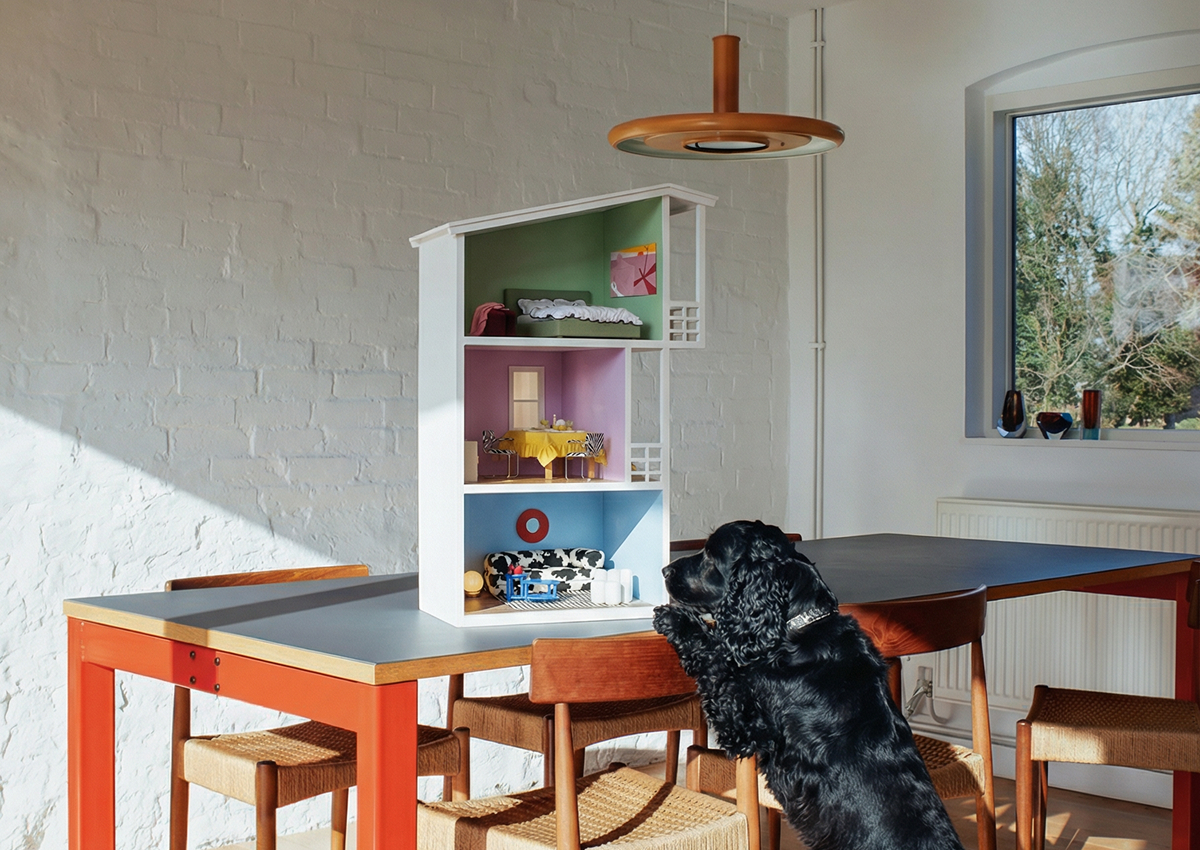
Have you ever noticed that in some rooms you feel happier than in others? Not just because of the people around you or good news. It’s as if the space itself is perceived differently and even your coffee tastes better. That’s exactly how a dopamine interior works: an environment that literally encourages the brain to produce the “feel-good” hormone.
In this article, we explore the process behind this latest trend, how to work with it, which color palettes and home décor elements to use to feel a little happier every day and how not to turn your apartment into a chaotic mix of colors in pursuit of fashion.
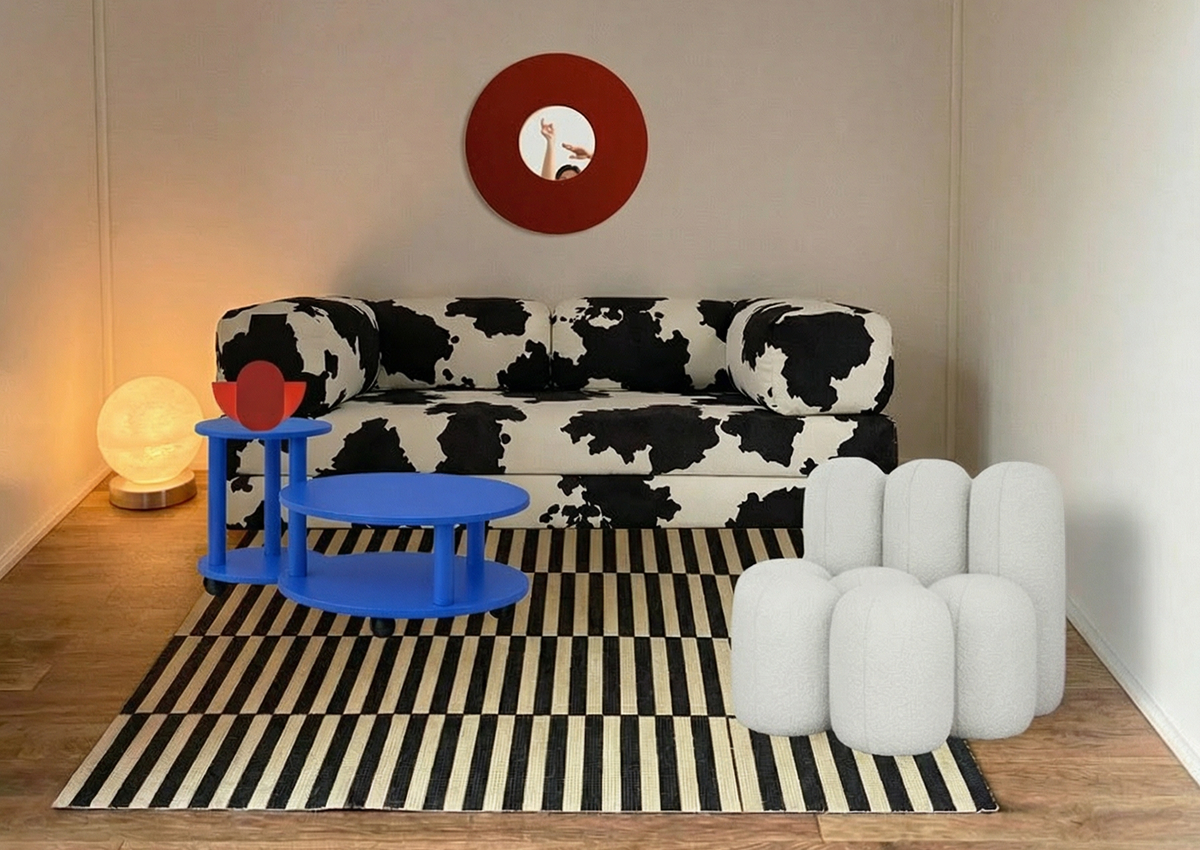
What Is a Dopamine Interior and Why Does It Work?
The term comes from the fashion world: “dopamine dressing” means wearing what brings you joy, not just what fits a dress code. In interior design trends of recent years, we see a similar shift: items that bring genuine pleasure not just aesthetic status are becoming increasingly popular. Neuroscience confirms this: bright colors, unexpected shapes, and textures activate the same areas of the brain as good news, time spent with loved ones, or engaging in a favorite hobby. This isn’t esotericism it’s physiology.
So how is dopamine interior design different from dopamine fashion? A “happy interior” doesn’t always have to look loud or flashy. What matters is how much attention you give to specific details that make you feel good: a richly colored wall, an unusually shaped chair, or a rug with personality.
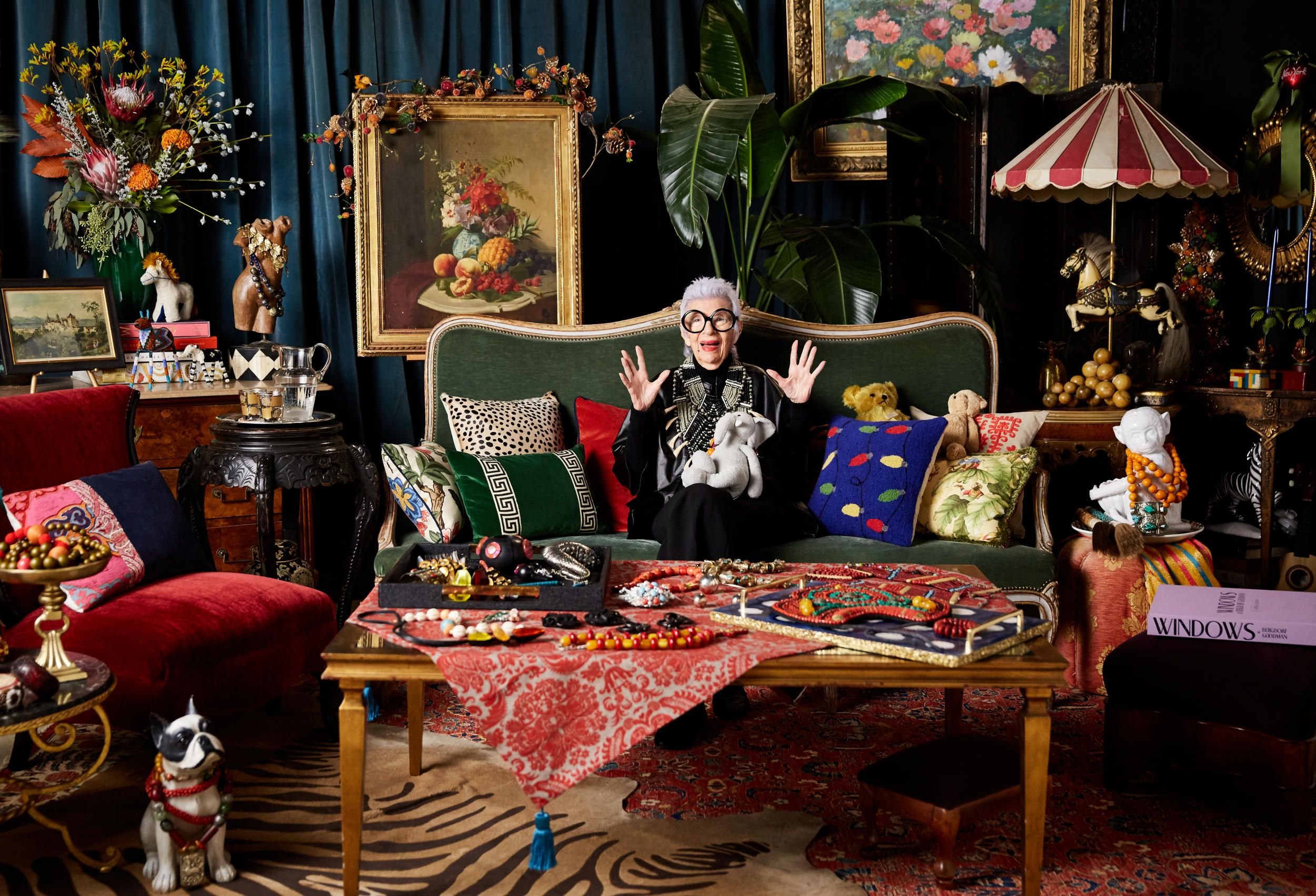
The concept of dopamine décor can also be better understood through the story of Iris Apfel. This American designer was essentially a pioneer and ambassador of the dopamine approach to space long before it became a trend. Her style maximalism, color, and eclecticism perfectly describes modern dopamine design. She mixed textures, prints, antiques, and mass-market items freely, and her interiors, like her outfits, were emotional, vibrant, and over the top.
In other words, today’s dopamine interior is a structured version of what Apfel had been doing intuitively for decades. Let’s take a closer look at the essence of this phenomenon.
Choosing Mood-Boosting Colors: How Not to Get It Wrong
A “happy interior” is definitely for the bold, as it’s all about self-expression. However, dopamine comes not from the sheer number or variety of colors, but from their правильне поєднання (correct combination). After all, what is dopamine design if the final visual result lacks harmony?
Rich Accents Instead of Color Chaos
How can you make a dopamine interior stylish? The easiest way is to use one bright accent wall or a single set of colorful furniture against a neutral background. Play with contrasts: an emerald sofa in a white room, a terracotta wall as a backdrop for natural wood details, or a yellow chair in a gray space. These choices won’t overwhelm the room—they will refresh it.
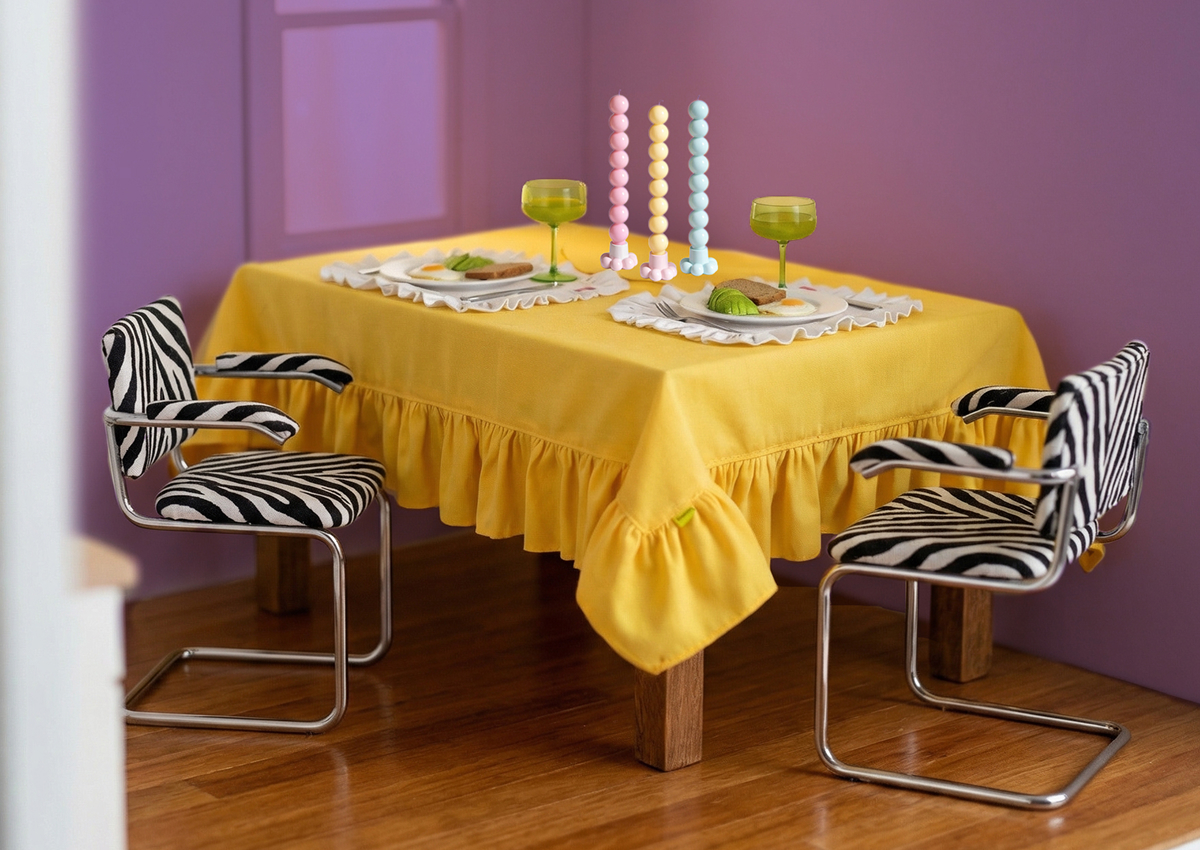
Colors That Boost Your Mood
The benefits of dopamine décor go beyond trendiness and visual novelty. There is scientific evidence of the positive psychological effects of certain colors:
- Explore the collection and discover that one item that makes your heart beat just a little faster.
- Yellow and orange — energetic boosters, ideal for kitchens and living rooms.
- Emerald and deep green — vibrant yet calming.
- Terracotta and brick tones — add warmth to a bedroom; don’t be afraid of unusual combinations.
- Cobalt blue — expressive but not aggressive.
- Fuchsia and pink — bold, modern, and true dopamine colors for 2026.
What to Avoid
Design intended to boost your mood doesn’t mean combining every possible positive stimulus at once. When a room contains five contrasting, unrelated bright colors, the brain perceives it as stress rather than pleasure. Follow a simple rule: use two or three bright colors in any space, with one dominant shade.
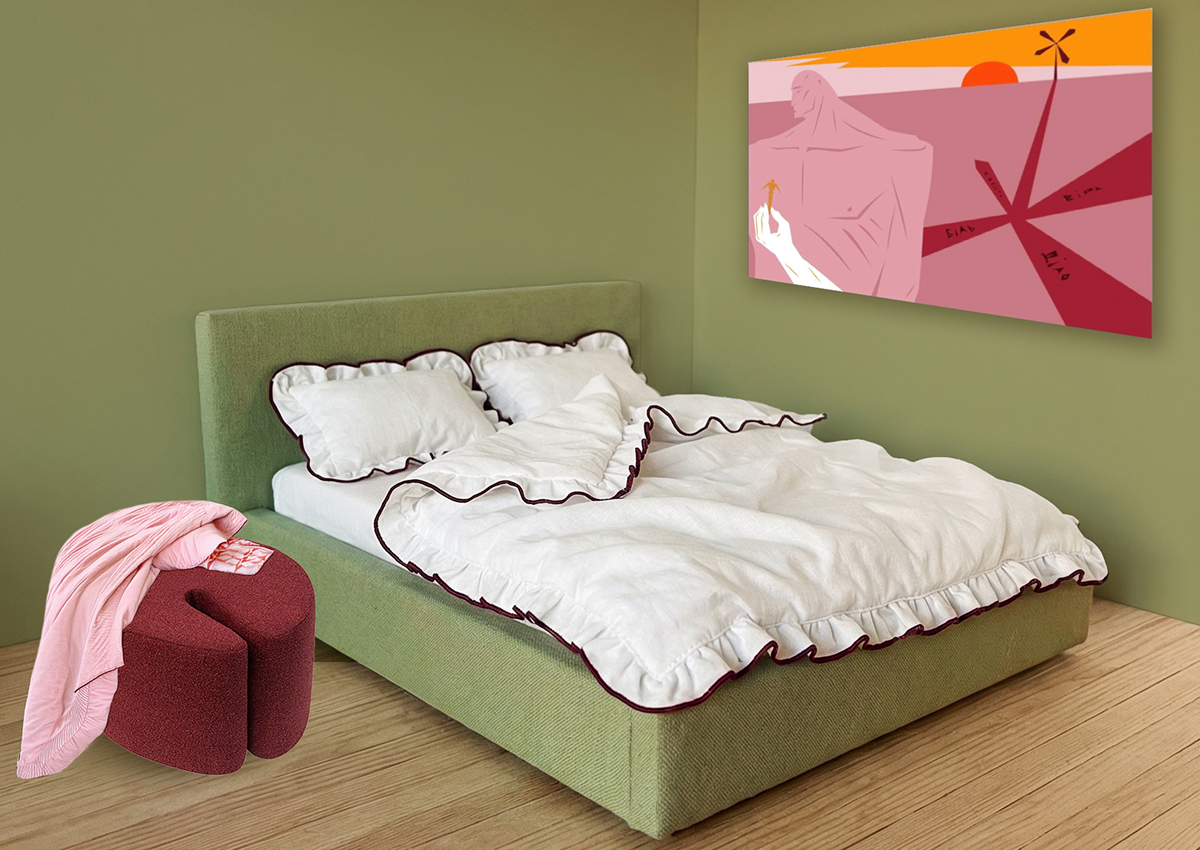
Dopamine Décor for the Home: Practical Ideas
Colorful decorative elements are the most versatile option. A great way to create dopamine décor is to combine a few familiar elements with newer, unexpected ones. Unusual textures, colors, and shapes look especially striking against a backdrop of classic interior solutions.
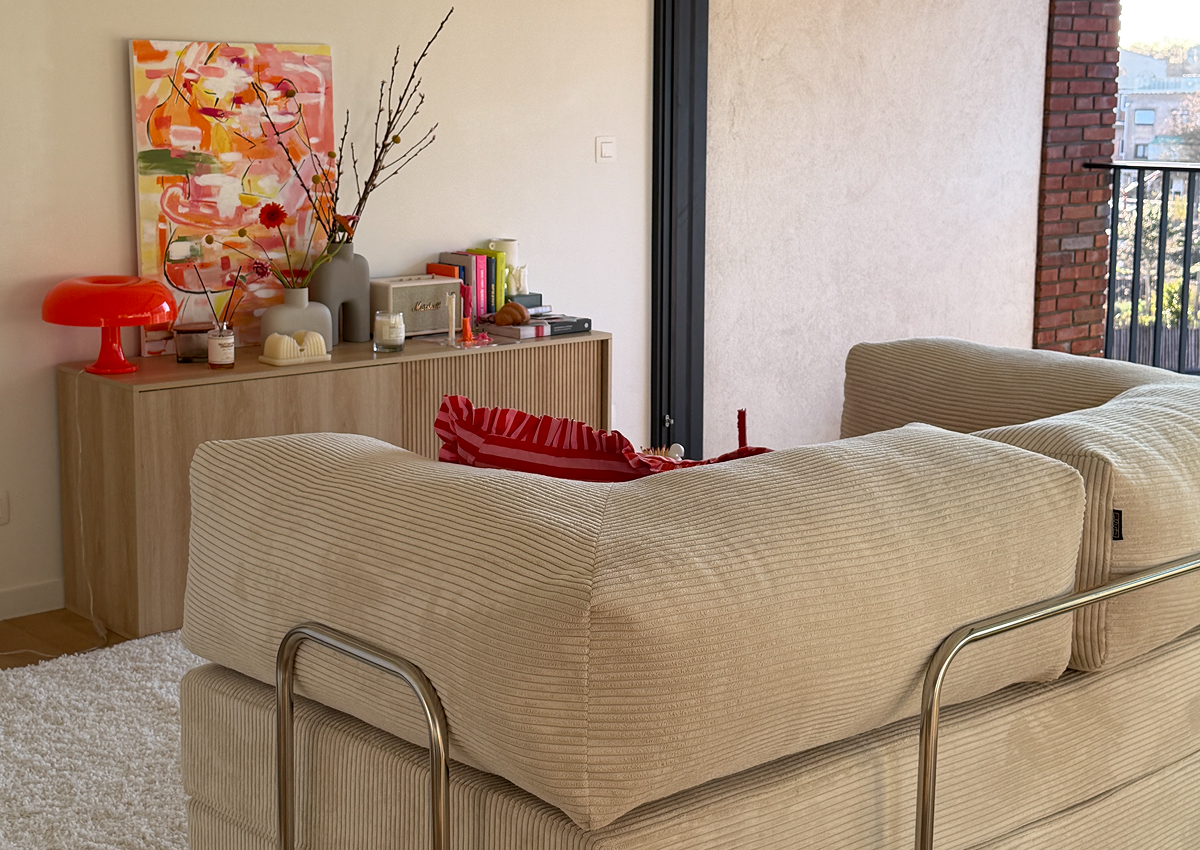
Textiles: Pillows, Throws, and Rugs
The risk is minimal, but the effect is significant. A few bright cushions on a neutral sofa, a geometric rug, or a bold throw can completely transform a room. It’s not just about being “bright” these items should resonate with you personally.
Furniture as the Main Accent
One bold piece of furniture can completely change the dopamine effect in a room. An unusual shape, a richly colored sofa, or a coffee table with quirky legs. These items are visually appealing and bring an instant smile every time you notice them.
Decorative Objects and Art
Posters, figurines, vases, and houseplants in colorful pots add character to your space. The “collection” principle works well: three to five items united by color or theme will look cohesive rather than chaotic.
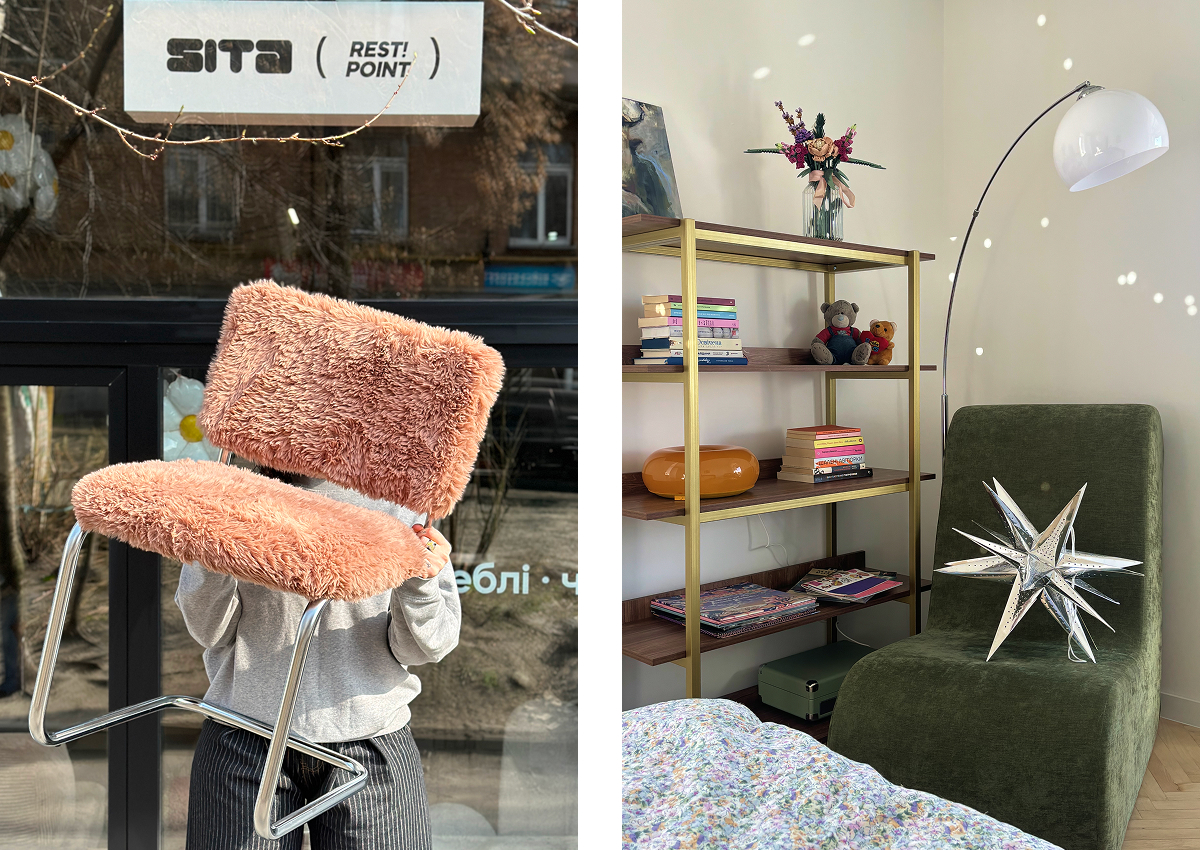
Dopamine in Different Rooms
You can introduce dopamine décor into any space, but the intensity of your visual experiments should vary.
Living Room
This is the main area for expression, so it’s the perfect place for bold accents. A bright sofa or an accent wall can become the focal point.
Bedroom
The advantage of dopamine design in the bedroom is the ability to balance different zones in your home. Maintain a contrast between the liveliness of the kitchen or living room and the calmness of the bedroom by choosing rich but muted colors: bottle green, dusty pink, and deep blue.
Kitchen and Dining Area
Yellow, orange, and terracotta are foundational here. Since these colors are associated with food and joyful moments, the dopamine effect feels natural. Even a single bright chair can transform the atmosphere.
Sita Recommends
Dopamine décor doesn’t require a complete overhaul of your lifestyle or familiar interior choices. This trend can be introduced gradually:
1. Find your “dopamine color” — the one that genuinely brings you joy, not just looks stylish.
2. Start with textiles — pillows and throws are the easiest and most affordable to change.
3. Add one major accent: a wall, sofa, or chair that makes you smile.
4. Create a “collection” of décor — three to five items united by color or theme.
5. Give yourself time to adjust. If something feels distracting or visually tiring after a few days, it’s better to replace it.
The biggest mistake is creating a bright interior “like on Pinterest” instead of one that truly reflects your personality. Perhaps minimalism is actually your style. But if the idea of dopamine décor resonates with you, Sita Furniture can help you find pieces for your perfect, comfortable interior.
Explore the collection and discover that one item that makes your heart beat just a little faster.